This article contains affiliate links. I may earn a commission on purchases made through these links.
My daughter hasn't driven alone yet.
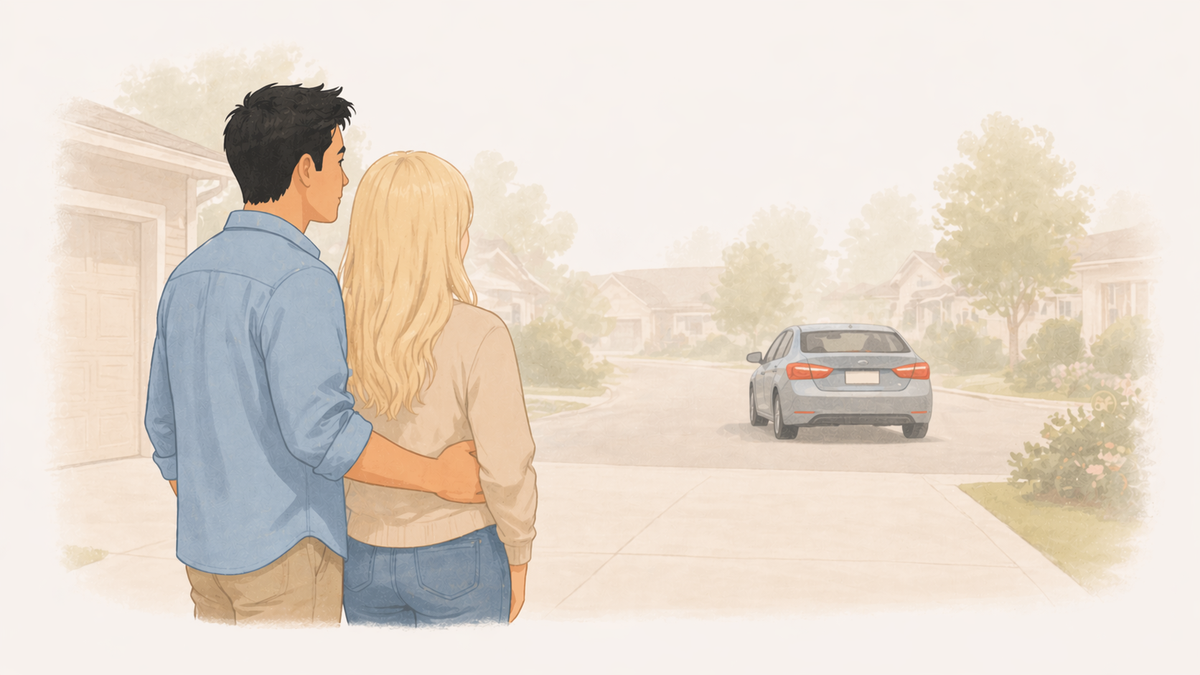
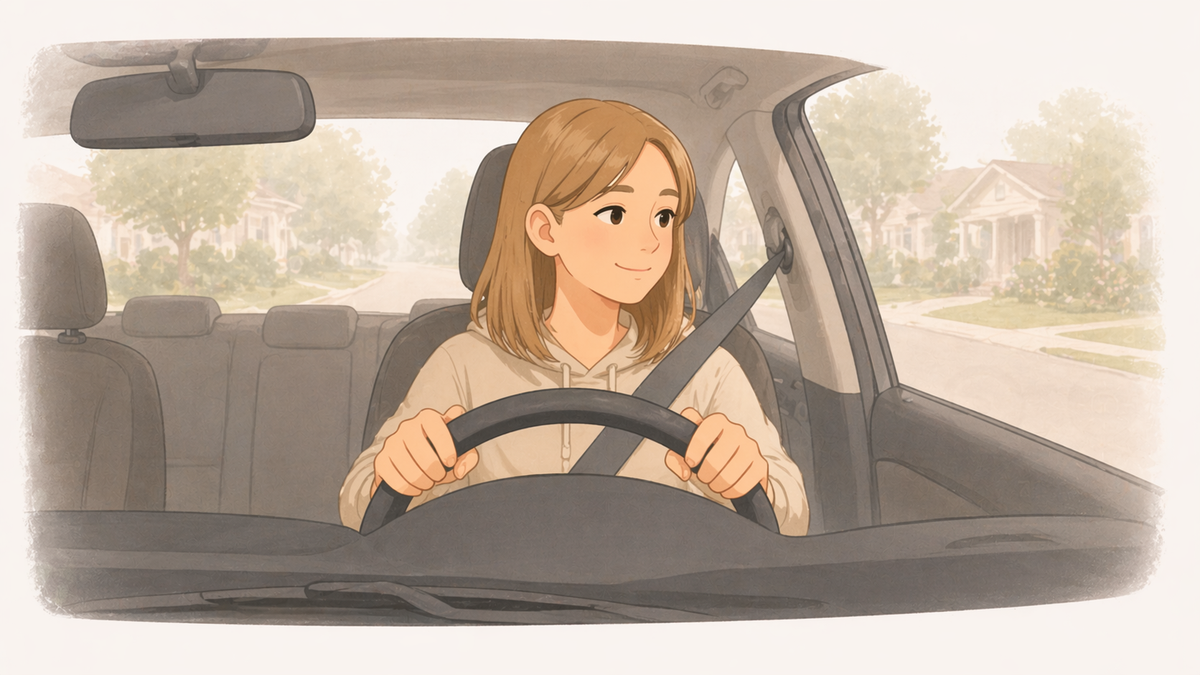
She's close. She's in driving school. She's doing well, from everything I can tell. At some point in the not-too-distant future, she will pull out of the driveway without anyone in the passenger seat, and my partner and I will stand there and watch.
I know what that will look like because I've already done a version of it.
She's been leaving with friends who drive for a while now. Old enough to have friends with licenses, young enough that we still walk her out every time. We stand at the end of the driveway and watch the car go. Then we go inside and check where she is. Then we check again. Then one of us says we should stop checking and we both continue checking.
I was a terrible teenager. In the era when cell phones were brand new, I was still functionally unreachable. You could call me and I wouldn't answer. This is different now. She has a smartphone with her at all times. She can Snap her friends for four hours without a break but cannot return a text in under 45 minutes. I'm not sure what to make of that.
The point is: the first solo drive hasn't happened yet, but the experience of letting her go somewhere without me is not new. The car just adds a layer.
What Actually Changes
When she drives alone, the thing that changes is not her ability.
She will have logged the hours. She will know the routes. She will have been signed off by a professional and cleared by me. The skills will be there.
If you're not there yet on the formal side, Aceable's online program runs the curriculum on their phone or laptop. Available in California, Texas, Florida, and a handful of other states; the Resources page lists alternatives for states it doesn't cover.
What changes is that if something goes wrong, there is no one in the passenger seat to help. Every decision is hers. Every adjustment is hers. There's no narration, no second set of eyes, no one to say "check your mirror" before she's already checked it.
That's what alone actually means. Not absence of skill. Absence of backup.
The Conversations That Happen Before
The work of the first solo drive mostly happens before it.
We've already had the one about never getting into a car with someone who has been drinking. Not "try to avoid it." Not "use your judgment." The rule is: call us, any hour, no matter where you are, no matter what was happening before the phone call. We will come get you. There are no consequences for the call itself.
I'm fairly sure she believes us. She is, as I mentioned, desperate for independence. She also knows we mean it.
We've talked about the phone. Not while driving. Not for a second. Everything she might want to do on her phone can wait until the car is parked. This is not a preference. It is the one thing I am completely inflexible about, because it is the one thing that is entirely within her control and still gets people killed.
Those conversations aren't dramatic. We don't sit down and have formal talks about them. They come up, get said clearly, and become part of the background.
The Life360 Question
There will be a conversation in your household about tracking.
Ours has already happened. My partner will be watching the dot. I will probably also be watching the dot while saying I'm not going to watch the dot.
I don't think there's a single right answer here. Location sharing with a new driver feels reasonable to me. The question is what you do with the information. Watching a dot drive at 35 mph down a residential street is not going to tell you anything useful, and it might make you feel worse, not better. The hard version of this is accepting that you've done the preparation and the rest is not yours to control from the kitchen.
That's the uncomfortable part of the first solo drive. Not that she might make a mistake. That you won't be there if she does.
You prepare for that by preparing her well. The rest is her.
Before the First Trip
Keep it simple. The first solo drive should be short, familiar, and low stakes.
A route she's driven with you. Daytime. Light traffic. A destination that doesn't require highway driving or complicated navigation.
Make sure the car is ready before she leaves. Gas level, nothing on the dashboard. Check in about the phone and where it's going. Give her a return window, not as a curfew but as a structure.
Then let her go.
Try This
1. Have the hard conversations before the first solo drive, not after. The drinking rule, the phone rule, what to do if something goes wrong. These should be established and clear before the keys are handed over.
2. Decide in advance what you're going to do about tracking. Location sharing is a household decision. Whatever you decide, decide it before she leaves, not while you're standing in the driveway.
3. Keep the first trip boring. Short, familiar, daytime. There will be plenty of complexity later. The first one is just about doing it alone.
4. Let her tell you how it went. When she gets back, ask and then listen. Don't debrief it. Don't run through everything that could have gone better. Just find out what it was like for her.
The New Driver's Parent Checklist is a 4-page printable for parents teaching a teen to drive. Pre-drive checks, the four skill stages, and word-for-word scripts for the hard moments. Download it free →
She hasn't driven alone yet.
But everything we've been doing since that first lesson in the driveway has been leading here. The routes we've driven together. The conversations we've had. The mistakes she's made with me in the seat and the ones I've let her figure out herself.
When the moment comes, all of that goes with her.
That's what it's supposed to do.